
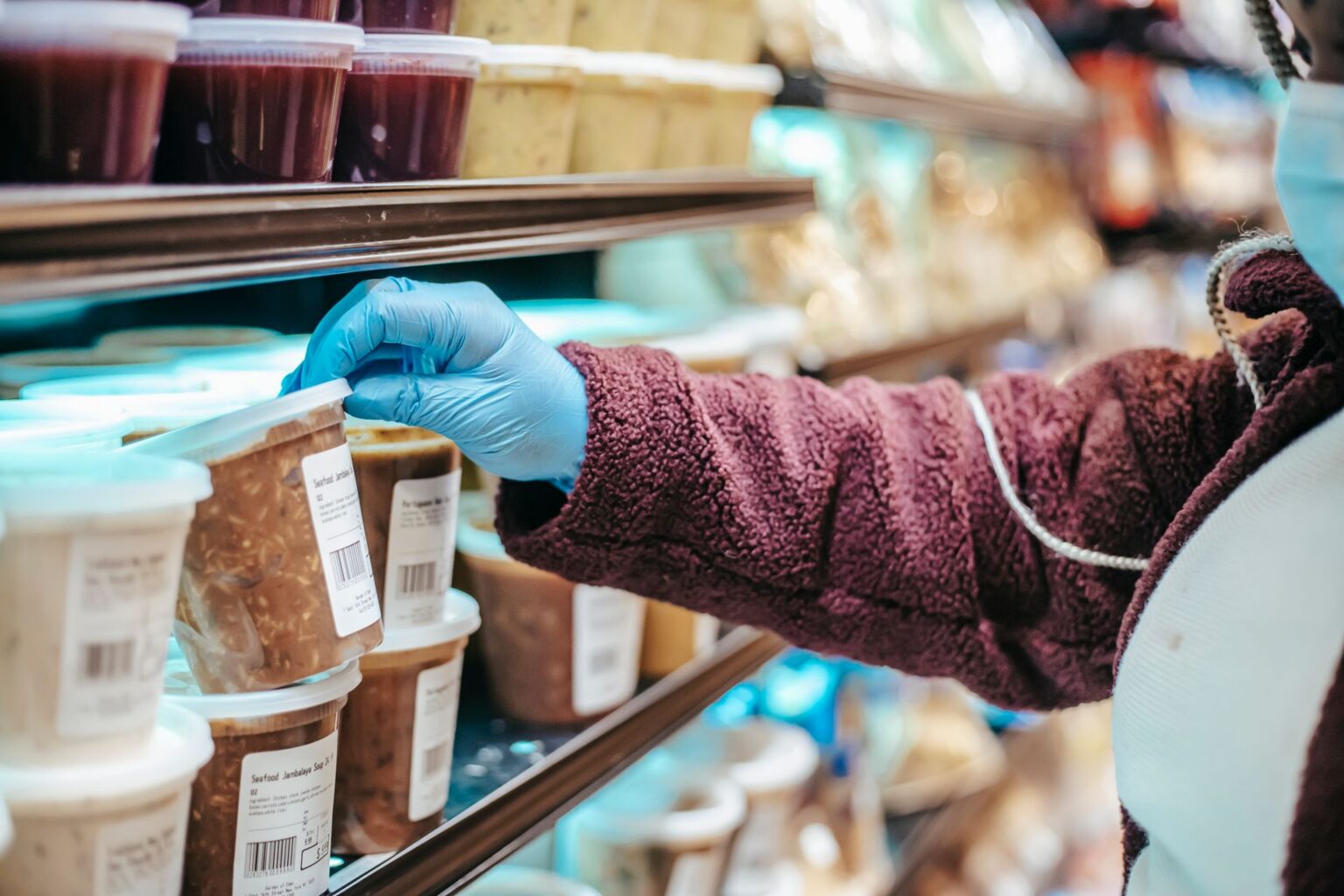
Food packaging is one of the biggest influences on what we buy. Purchasing decisions, even subconscious ones, are based on visual appeal, packaging colour, perceived quality and the nutrition claims highlighted on the front of packages. This can make it difficult to know what the right choice actually is. https://pmc.ncbi.nlm.nih.gov/articles/PMC10832432/
One of the most effective ways to cut through the noise is to look beyond the packaging and focus on what’s actually in the food. Once you know what to look for, reading labels becomes a quick and practical tool to help you make more informed choices. Here is a simple breakdown:
How to interpret an Ingredient list
- The ingredient list tells you what is actually in the food product. The first three ingredients usually tell you the most.
- Ingredients are listed by weight, from most to least. For example, if sugar is near the top, there is a lot of it.
- Shorter, simpler lists are often a good size and indicate less additives and less high processing.
- To find less refined, higher fibre foods, look for ingredients that have whole grains. For example, “whole wheat”, “brown rice”, or “whole grain cornmeal”, rather than their refined and lower fibre counterparts including, “white flour”, “enriched flour”, “white rice”, “(enriched) cornmeal”.
Nutrition facts table and serving sizes
- The nutrition facts table is your overview of what is in the food
- The calories tell you how much energy the food provides, however they don’t tell you about the quality of what those calories are made of.
- By looking at the amount of key nutrients, you can get a better sense of the quality of the food. Use the % Daily Value as a guide. It can show you if the serving of stated size has a little or a lot of a nutrient:
- 5% or less is considered a little amount of a nutrient: best for nutrients you want to limit, such as saturated & trans fat, sodium, and sugar.
- 15% or more indicates a high amount of a nutrient: best for nutrients you want to increase, such as fibre, vitamins, and minerals.
- We can also get a sense of the amount of servings of nutrients by looking at their grams. For example, a serving of net carbohydrates is 15g (Total carbs (g) minus Fibre (g)).
What are nutrition and health claims?
Nutrition and health claims can be seen on the front of packages. Nutrition claims are things like “high in fibre”, “low sodium”, “source of protein”. Health claims are phrases like “good source of fibre which helps lower cholesterol”, and “low in saturated and trans fat which may reduce the risk of heart disease”.
These claims are regulated and must meet specific criteria to be added to packaging, however they only highlight one feature of the food and don’t take a look at all components of a food product. This is where claims like these may be misleading if taken at face value. For example, a product labeled “high in protein” could still be very high in refined sugar.
Food allergen label
- Food allergen labels are important for safety.
- Common allergens, like milk, nuts, soy, and gluten, are required to be clearly listed.
- They are shown in a “Contains:” statement at the end of an ingredients list.
Understanding the date labels
Not all date labels mean the same thing. Just because the food is past a date, does not necessarily mean it has automatically gone bad.
“Best before” dates indicate how long a properly stored unopened food product will keep its freshness, taste, and nutritional value. Best before dates do not indicate safety, therefore typically allowing consumption after the date.
“ Expiration/Expiry” dates indicate a strict safety limit, after which the food should be discarded.
“Packaged on” dates indicate when the product was made, which can help determine how long a food product’s shelf life is.
If you are interested in requesting a consultation or booking an appointment, please feel free to contact us!